

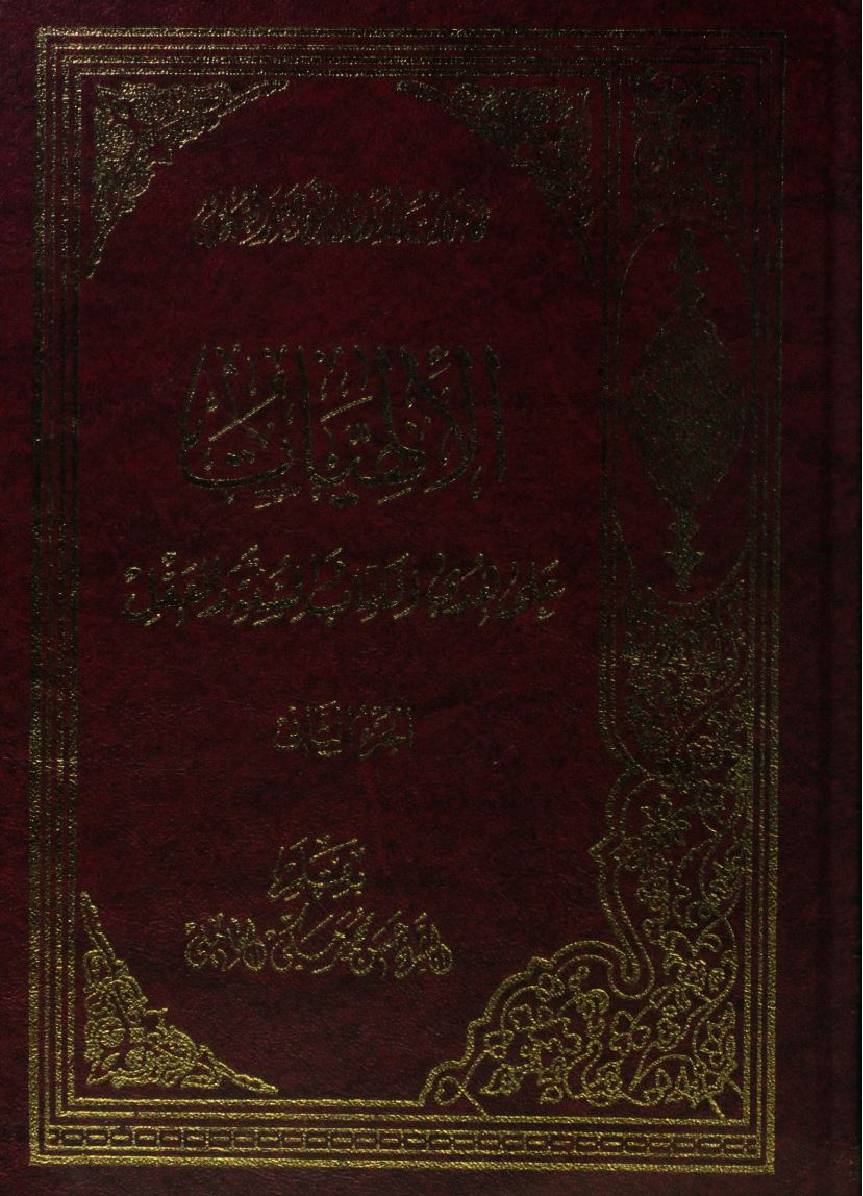
Al Illahiyyat volume 2
Sheikh Abu Abdullah Muhammad Jamal Ad-Deen Al-Makki Al-Amili also known as Shaheed-e-awal, was born in 734 AH in Jabal 'Amel. His nisbah Al-Jizzeeni indicates that his family was also from Jizzeen in modern-day Lebanon. When Muhammad Al-Amili was 16 years old he went to study at the city of Hilla in modern-day Iraq. He returned home when he was 21. He used taqiyya to establish himself as one of the religious scholars of Damascus, using Sunni law to judge Sunnis, while covertly judging the Shia using Shia law. He was a religious scholar of high stature. The book "Al Illahiyyat" authored by him is written in a series of four volumes. The first two volumes of this book elaborates on concepts such as recognition of Allah (SwT), His names, and operative and descriptive attributes. On each of these topics, it rebuttals views held by other schools of thought within Islam, both historic and contemporary, and provides evidence from the Holy Quran, the Sunnah and traditions from the Holy Household to support its position. The third volume elaborates on the topic of (Nabuwat) Prophecy and the forth volume elaborates the topic of Imamate.
Published By:
Published Date:
June 15, 2026
Pages:
486
Subjects:
Available Format:
(42.85)
Action:
Description
Sheikh Abu Abdullah Muhammad Jamal Ad-Deen Al-Makki Al-Amili also known as Shaheed-e-awal, was born in 734 AH in Jabal 'Amel. His nisbah Al-Jizzeeni indicates that his family was also from Jizzeen in modern-day Lebanon. When Muhammad Al-Amili was 16 years old he went to study at the city of Hilla in modern-day Iraq. He returned home when he was 21. He used taqiyya to establish himself as one of the religious scholars of Damascus, using Sunni law to judge Sunnis, while covertly judging the Shia using Shia law. He was a religious scholar of high stature. The book "Al Illahiyyat" authored by him is written in a series of four volumes. The first two volumes of this book elaborates on concepts such as recognition of Allah (SwT), His names, and operative and descriptive attributes. On each of these topics, it rebuttals views held by other schools of thought within Islam, both historic and contemporary, and provides evidence from the Holy Quran, the Sunnah and traditions from the Holy Household to support its position. The third volume elaborates on the topic of (Nabuwat) Prophecy and the forth volume elaborates the topic of Imamate.