

Al Ra'ee warr raeyaat
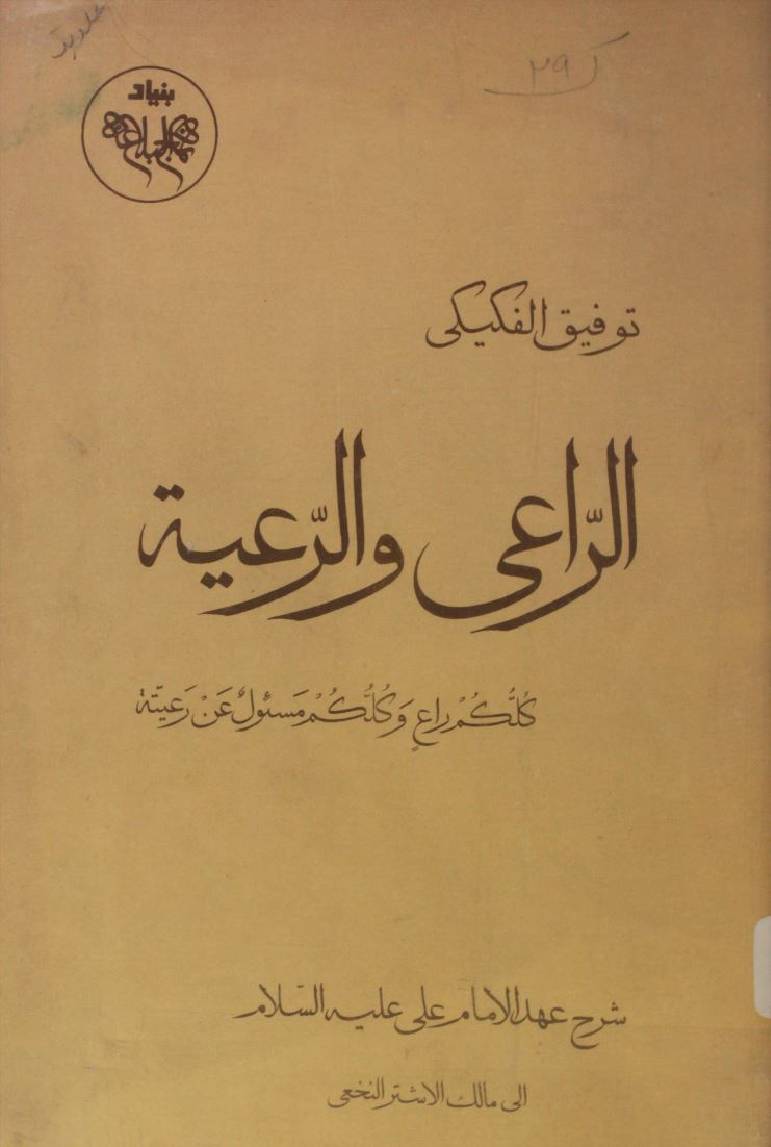
Al Ra'ee Warr Ra'eyaat" is a significant work compiled in Arabic by Mosasa Nahj Al Balagha and published in Tehran. This book delves deeply into the era of the caliphate of Imam Ali (AS), shedding light on his exceptional leadership and governance during one of the most pivotal times in Islamic history. It explores Imam Ali’s approach to managing the state, providing a rich account of his wise strategies and just policies. The text highlights how he prioritized fairness, equity, and the welfare of the people, offering practical solutions for the challenges of his time. Imam Ali’s governance model emphasized justice, ensuring that the rights of all citizens were protected, irrespective of their status or background. His leadership style, marked by compassion and wisdom, serves as a timeless example for those in positions of authority. Moreover, the book examines his methods of administration, from his insightful letters to governors to his sermons (from Nahj Al Balagha ) that addressed social, political, and spiritual issues.
Published By:
Published Date:
June 15, 2026
Pages:
323
Subjects:
Available Format:
(35.5)
Action:
Description
Al Ra'ee Warr Ra'eyaat" is a significant work compiled in Arabic by Mosasa Nahj Al Balagha and published in Tehran. This book delves deeply into the era of the caliphate of Imam Ali (AS), shedding light on his exceptional leadership and governance during one of the most pivotal times in Islamic history. It explores Imam Ali’s approach to managing the state, providing a rich account of his wise strategies and just policies. The text highlights how he prioritized fairness, equity, and the welfare of the people, offering practical solutions for the challenges of his time. Imam Ali’s governance model emphasized justice, ensuring that the rights of all citizens were protected, irrespective of their status or background. His leadership style, marked by compassion and wisdom, serves as a timeless example for those in positions of authority. Moreover, the book examines his methods of administration, from his insightful letters to governors to his sermons (from Nahj Al Balagha ) that addressed social, political, and spiritual issues.