
 50
50 46
46 02
02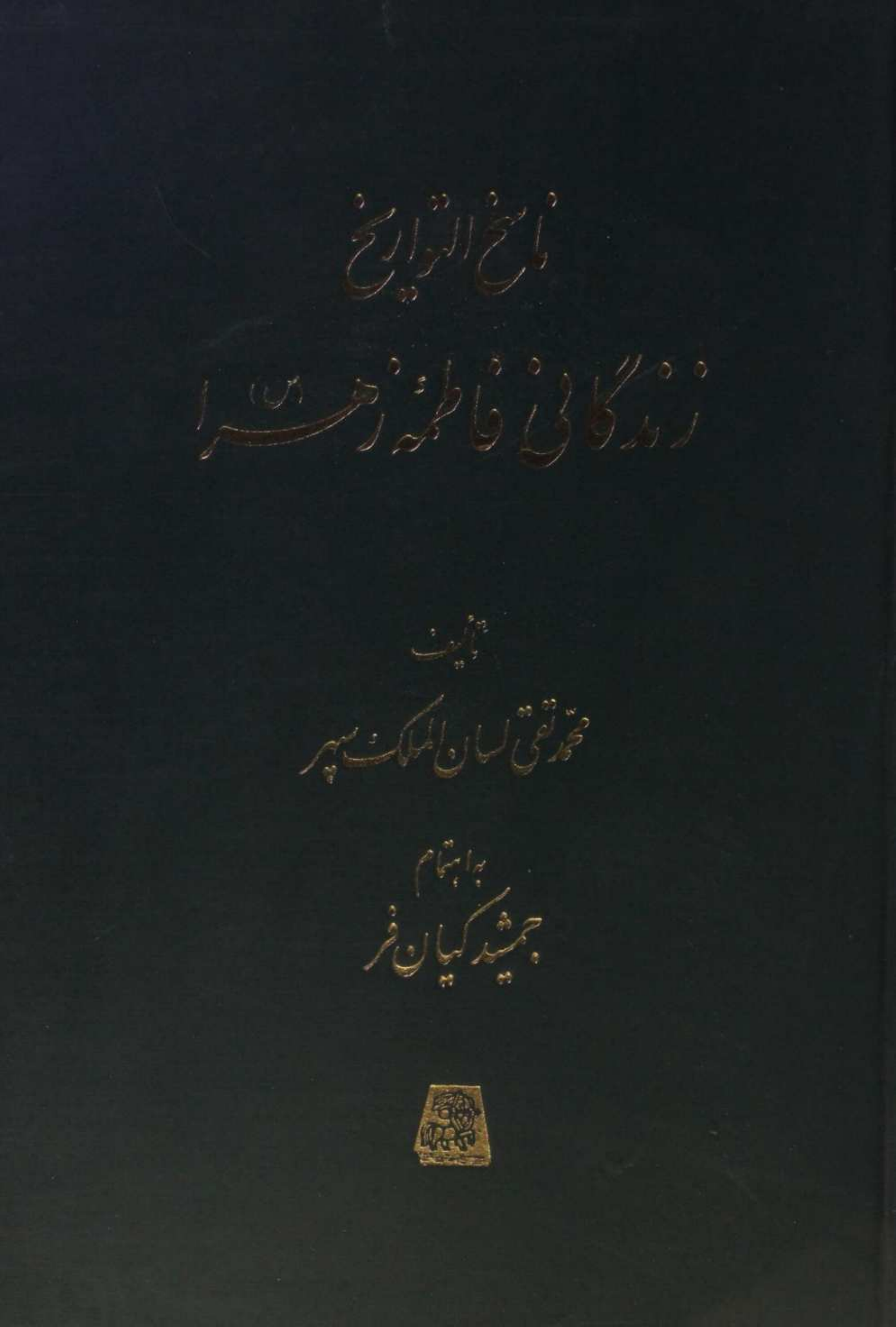
Nasikh al Tawarikh; Zindagani-e-Fatima Zehra 2
Nasikh al-Tawarikh is a Persian historical chronicle written by the 19th-century historian Mirza Muhammad Taqi Sepehr during the reign of Naser al-Din Shah Qajar in Qajar Iran. The work compiles earlier Islamic historical sources and narrations and presents biographies of important personalities of Islamic history. Among its sections is Zindagani-e-Fatima Zahra, which describes the life, virtues, and status of Fatimah bint Muhammad, the daughter of Prophet Muhammad and the wife of Ali ibn Abi Talib. The section “Zindagani-e-Fatima Zahra” is divided into two main parts and presents different aspects of her life and character. The first part discusses her lineage, birth, and upbringing in the household of the Prophet in Mecca. It highlights her close relationship with the Prophet, her virtues, modesty, and her role in supporting him during the difficult early years of Islam. It also describes her marriage to Ali and the family life they built together, including the birth of their children, Hasan ibn Ali and Husayn ibn Ali. The second part focuses on the events after the demise of the Prophet in Medina, describing the challenges she faced, her speeches and responses to the political situation of the time, and the final period of her life. The section concludes with an account of her passing and the lasting influence of her character, piety, and devotion in Islamic history.
Published By:
Muhammed Taqi Sepehr
Published Date:
June 15, 2026
Pages:
461
Subjects:
Islamic History, Fatima al-Zahra, 14 Masoomeen (A.S)
Available Format:
(51.75)
Action:
Description
Nasikh al-Tawarikh is a Persian historical chronicle written by the 19th-century historian Mirza Muhammad Taqi Sepehr during the reign of Naser al-Din Shah Qajar in Qajar Iran. The work compiles earlier Islamic historical sources and narrations and presents biographies of important personalities of Islamic history. Among its sections is Zindagani-e-Fatima Zahra, which describes the life, virtues, and status of Fatimah bint Muhammad, the daughter of Prophet Muhammad and the wife of Ali ibn Abi Talib. The section “Zindagani-e-Fatima Zahra” is divided into two main parts and presents different aspects of her life and character. The first part discusses her lineage, birth, and upbringing in the household of the Prophet in Mecca. It highlights her close relationship with the Prophet, her virtues, modesty, and her role in supporting him during the difficult early years of Islam. It also describes her marriage to Ali and the family life they built together, including the birth of their children, Hasan ibn Ali and Husayn ibn Ali. The second part focuses on the events after the demise of the Prophet in Medina, describing the challenges she faced, her speeches and responses to the political situation of the time, and the final period of her life. The section concludes with an account of her passing and the lasting influence of her character, piety, and devotion in Islamic history.