

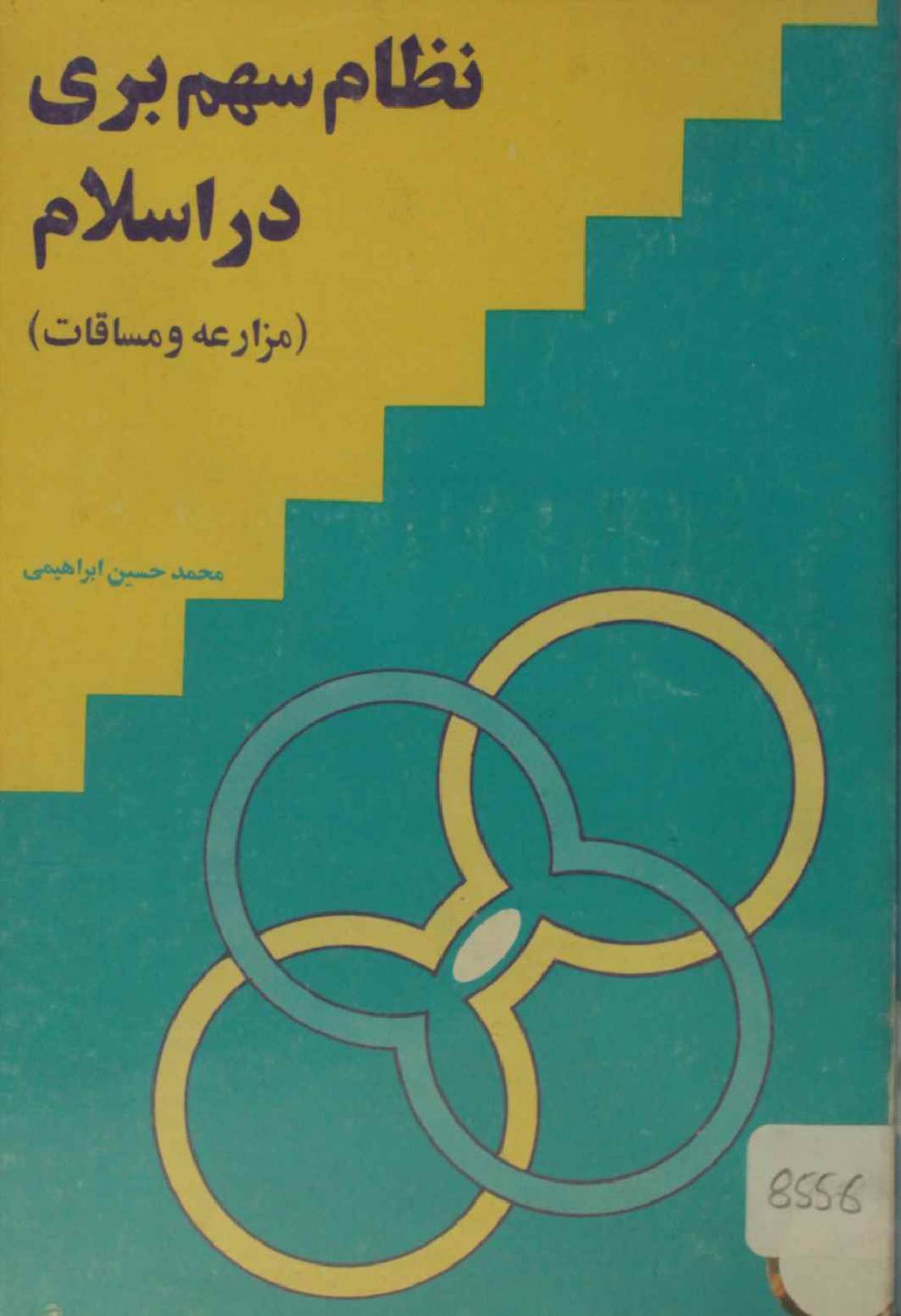
Nizam sahm Bari dar Islam
The book Nizam Sahm Bari dar Islam, authored by Muhammad Hussein Ibrahim, is a significant work written in the Persian language, focusing on the topic of cultivation and earning through agricultural practices. The title reflects its thematic emphasis on the Islamic principles governing the distribution of shares (sahm bari) and the ethics surrounding labor and income derived from cultivation. In this book, the author explores the role of agriculture within the Islamic economic framework, shedding light on how farming and cultivation are not only means of sustenance but also integral components of a just and ethical economic system. The work delves into the jurisprudential guidelines that govern agricultural activities, the rights and responsibilities of landowners and laborers, and the equitable distribution of income derived from such efforts. By addressing both theoretical and practical aspects, the book provides valuable insights into how Islamic teachings promote fairness and mutual cooperation in the field of agriculture, ensuring that the fruits of labor are shared justly among all stakeholders. Its relevance extends to scholars, farmers, and policymakers interested in aligning agricultural practices with Islamic ethical principles.
Published By:
Published Date:
June 15, 2026
Pages:
134
Subjects:
Available Format:
(10.79)
Action:
Description
The book Nizam Sahm Bari dar Islam, authored by Muhammad Hussein Ibrahim, is a significant work written in the Persian language, focusing on the topic of cultivation and earning through agricultural practices. The title reflects its thematic emphasis on the Islamic principles governing the distribution of shares (sahm bari) and the ethics surrounding labor and income derived from cultivation. In this book, the author explores the role of agriculture within the Islamic economic framework, shedding light on how farming and cultivation are not only means of sustenance but also integral components of a just and ethical economic system. The work delves into the jurisprudential guidelines that govern agricultural activities, the rights and responsibilities of landowners and laborers, and the equitable distribution of income derived from such efforts. By addressing both theoretical and practical aspects, the book provides valuable insights into how Islamic teachings promote fairness and mutual cooperation in the field of agriculture, ensuring that the fruits of labor are shared justly among all stakeholders. Its relevance extends to scholars, farmers, and policymakers interested in aligning agricultural practices with Islamic ethical principles.